
For more than a decade, traditional ETL-heavy BI systems defined how enterprises prepared, transformed, and analyzed data. These systems relied on lengthy data pipelines, heavy preprocessing, rigid modeling layers, and continuous dependency on technical teams. But the landscape is shifting. Modern organizations want agility, speed, and autonomy, and outdated ETL processes can no longer keep up.
Enterprises across industries are now reevaluating legacy analytics stacks and transitioning toward flexible, AI-powered platforms that reduce or eliminate the need for heavy ETL work. In this article, we explore why this shift is happening, what challenges organizations face with ETL-heavy BI systems, and how modern solutions like Lumenn AI are reshaping the future of enterprise analytics.
The Limitations of ETL-Heavy BI Systems
1. Slow and Rigid Data Pipelines
ETL-heavy BI systems depend on complex pipelines that must extract data, transform it according to predefined rules, and load it into a warehouse before any analysis can begin. This creates delays at every step.
Business users often wait days or weeks for updated dashboards because any new data field, business question, or metric requires pipeline modifications. In fast-moving markets, this pace is unsustainable.
2. Heavy Dependency on Technical Teams
With traditional ETL-heavy BI systems, analysts, business leaders, and operational teams rely heavily on data engineers and BI developers.
Every request — a new metric, a revised definition, a corrected schema — needs technical intervention. This slows decision making and creates bottlenecks within data teams that are already overloaded.
3. High Costs of Maintenance
Maintaining ETL pipelines, scheduled jobs, staging layers, semantic models, and BI transformations demands ongoing engineering effort. As data volume grows, the cost rises.
Enterprises not only spend more on compute and storage, but also on the time required to modify, maintain, troubleshoot, and document these pipelines.
4. Lack of Flexibility
Legacy BI workflows assume data must be perfectly structured before it can be analyzed. But modern enterprises work with:
- unstructured documents
- semi-structured logs
- real-time feeds
- varied schema designs
- evolving business definitions
ETL-heavy systems are not built for this level of flexibility. Adjustments often require full re-engineering, which stalls innovation.
5. Delayed Insights
Because ETL-heavy BI systems push all transformations upstream, insights are often stale by the time they reach business users. This delay reduces the value of analytics in critical domains such as:
- sales forecasting
- financial performance tracking
- supply chain management
- customer behavior analytics
In today’s environment, enterprises cannot afford delayed insights when real-time action is necessary.
Why Enterprises Are Moving Toward Modern, AI-Driven Analytics
1. Direct, In-Place Analytics Without Heavy ETL
Modern analytics tools run queries directly on existing data sources, eliminating the need for large, prebuilt pipelines. This allows teams to reduce operational overhead, avoid repetitive transformations, and access insights much faster.
2. Natural Language Interfaces Empower Every User
New AI-driven analytics platforms allow anyone to ask questions in plain language and instantly generate insights. This democratizes analytics, reduces bottlenecks, and gives non-technical teams direct access to meaningful information.
3. AI-Powered Data Quality for Cleaner Analysis
Instead of relying on heavy preprocessing, modern systems run automated data quality checks directly on the source. They identify issues like nulls, inconsistencies, and anomalies early, allowing for more reliable analysis with minimal engineering effort.
4. Faster Decision Making Across Teams
When insights can be generated instantly without modifying pipelines or dashboards, organizations react faster. Real-time analysis supports quick decisions in sales, finance, operations, and customer-facing functions.
5. Lower Costs and Less Operational Burden
By reducing transformation layers, lowering engineering dependency, and minimizing data duplication, enterprises significantly cut BI costs. Maintaining fewer pipelines also frees teams to focus on strategy rather than maintenance.
How Lumenn AI Helps Enterprises Move Beyond ETL-Heavy BI Systems
Natural Language Insights
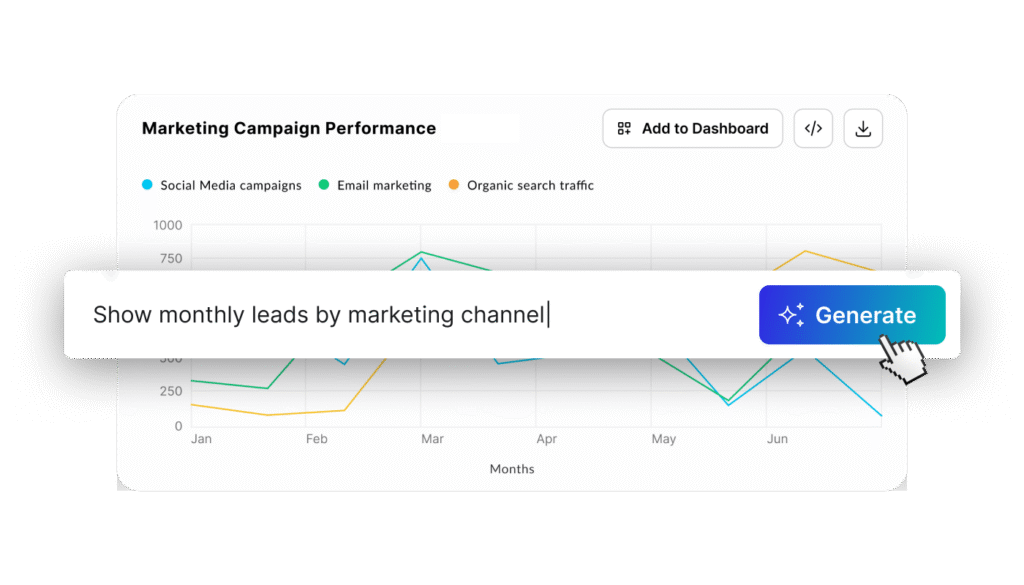
Lumenn AI lets teams ask questions in plain English and instantly generate charts, tables, and explanations. This eliminates SQL and technical dependencies, allowing every user to access insights quickly without modifying ETL pipelines or BI models.
In-Place Analytics
With Lumenn AI, data stays in your warehouse. The platform queries sources directly, removing the need for extract-and-transform workflows. This improves speed, governance, and accuracy while reducing infrastructure and maintenance overhead.
AI Auto Analyst
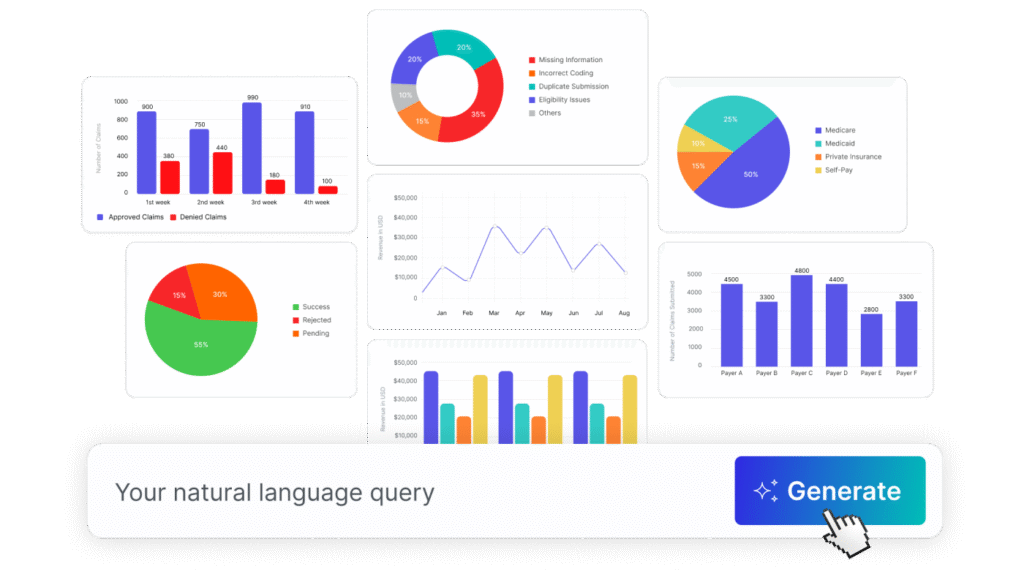
The Auto Analyst reads your datasets and instantly proposes relevant questions. It helps users explore data without having to think of a starting point, making analysis faster, simpler, and more intuitive—especially for teams new to the dataset.

No-Code Dashboard Creation
Users can generate visualizations in threads and pin them directly into a dashboard. No technical setup or modeling layers are required. Dashboards refresh automatically with live data, ensuring real-time, no-code reporting.

AI-Driven Data Quality
Lumenn AI evaluates data directly at the source, detecting issues like nulls, duplicates, and anomalies without manual ETL logic. This ensures insights are trustworthy and reduces the need for engineered preprocessing in pipelines.

Enterprise-Grade Governance
Role-based access, encryption, and audit logs keep analytics secure while minimizing operational complexity. Lumenn AI simplifies governance without requiring additional ETL layers, making enterprise-scale analytics easier to manage.

The Future of Enterprise Analytics Is ETL-Light, Flexible, and AI-Powered
The shift away from ETL-heavy BI systems is not just a trend. It’s a strategic move driven by the needs of modern enterprises:
- faster decision-making
- reduced dependency on engineering
- lower infrastructure cost
- real-time insights
- greater accessibility for non-technical users
As organizations continue moving toward AI-first analytics architectures, platforms like Lumenn AI are enabling this transformation with simplicity, automation, and intelligence at the core.
Legacy BI systems created value in a different era.
Today’s enterprises need analytics that match the pace of business.