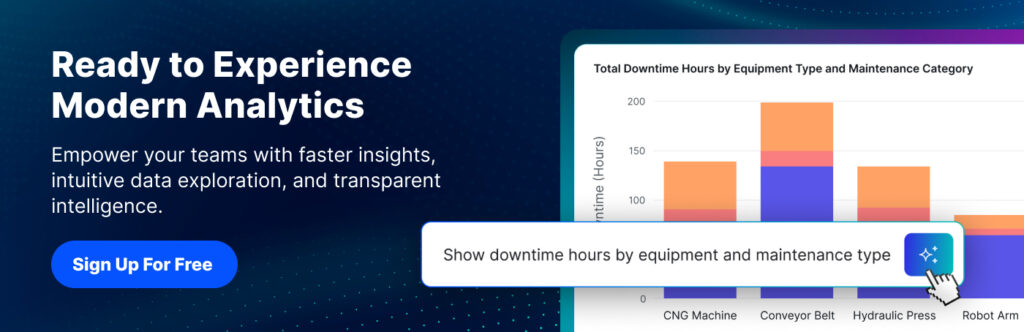

Business intelligence in 2026 is no longer about looking back. It is about acting in the moment, predicting what comes next, and doing it with confidence.
Organizations today expect analytics platforms to be intelligent, intuitive, and transparent. The shift is clear. BI is evolving from static dashboards into dynamic systems that guide decisions, reduce uncertainty, and scale across the enterprise.
Here are the key business intelligence trends in 2026 that are redefining how modern organizations use data.
The New Era of Business Intelligence
The role of analytics has expanded beyond reporting. It now sits at the center of every business function, from product and marketing to finance and operations.
Modern platforms are expected to remove technical barriers, unify data sources, and deliver insights instantly. More importantly, they must help users understand not just what is happening, but why it is happening.
This is where the next generation of BI is being shaped.
1. AI Becomes the Core of Analytics
Artificial intelligence is now deeply embedded in analytics workflows. Businesses expect platforms to automatically generate insights, detect patterns, and highlight anomalies without manual intervention.
Intelligence Over Manual Effort
Instead of building queries or reports from scratch, users rely on AI to explore data and present meaningful outputs. This significantly reduces time to insight and enables faster decision making across teams.
2. Natural Language Becomes the Default Interface
The way people interact with data has changed. Complex dashboards and query builders are being replaced by simple, conversational interfaces.
Ask Questions, Get Answers
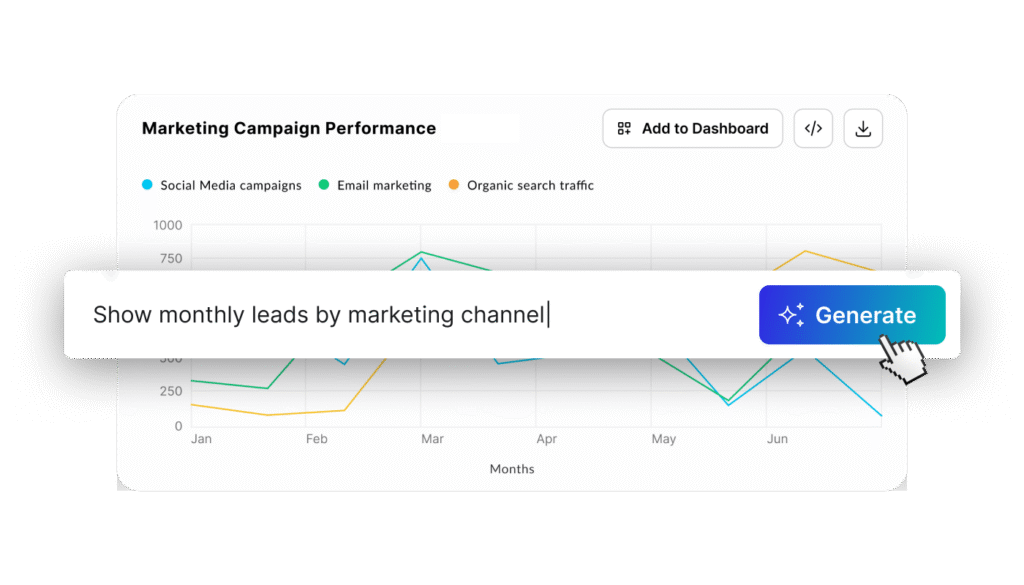
Users can now ask questions in plain language and receive instant visualizations and explanations. This approach removes the dependency on technical skills and opens up analytics to every role in the organization.
3. Analytics Moves from Reactive to Proactive
Traditional BI required users to search for insights. In 2026, analytics platforms are expected to surface insights automatically.
From Exploration to Guidance
Systems continuously scan data, identify trends, and suggest areas that need attention. This helps teams act faster and uncover opportunities they may not have considered.
4. Explainable AI Drives Trust
As AI adoption grows, so does the need for transparency. Businesses want to understand how insights are generated, not just consume them.
Clarity Behind Every Insight
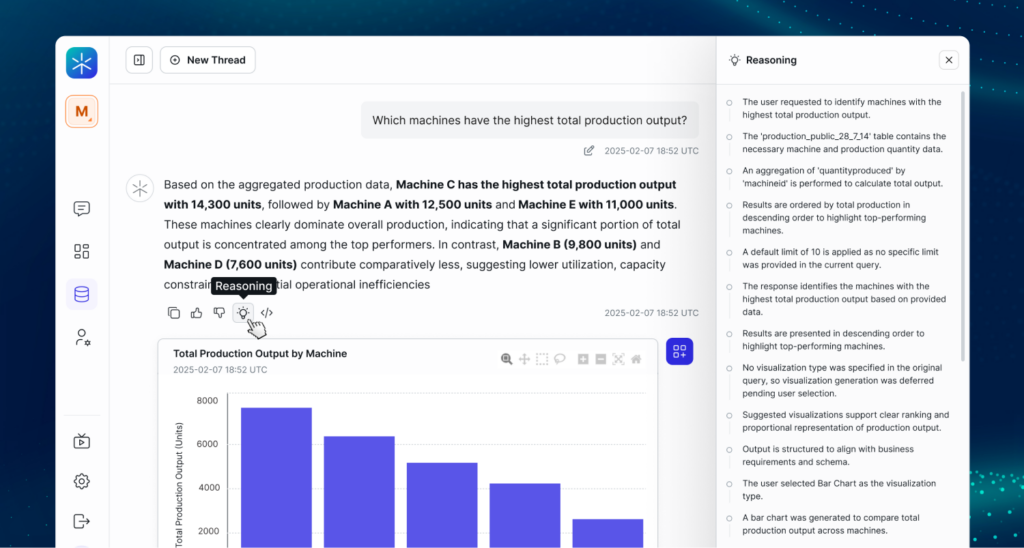
Modern platforms are expected to show how queries are interpreted, what data is used, and how logic is applied. This level of explainability builds trust and ensures decisions are backed by clear reasoning.
5. Seamless Multi-Source Data Integration
Data is distributed across multiple systems, and businesses need a unified view to make informed decisions.
Connected Data, Better Insights
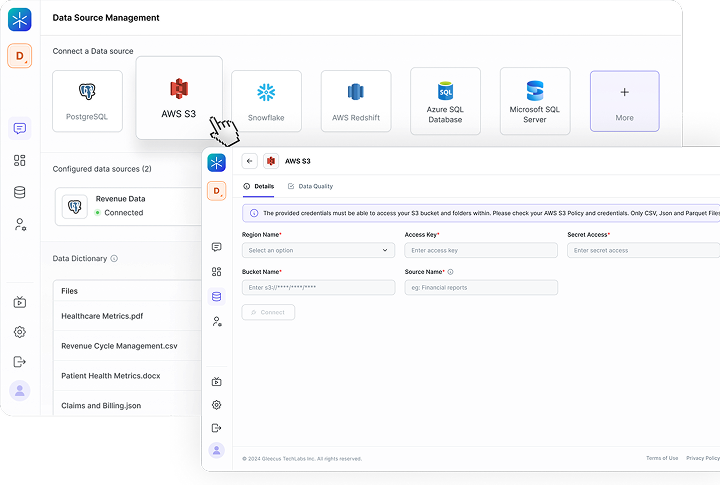
Analytics platforms must connect directly to databases, warehouses, and cloud storage without complex data movement. This enables real-time analysis across different data sources, creating a complete picture of business performance.
6. Data Quality and Governance Take Center Stage
With more teams accessing data, ensuring accuracy and consistency becomes critical. Businesses expect analytics platforms to actively monitor and maintain data quality.
Trustworthy Data at Scale
Built-in checks for anomalies, duplicates, and inconsistencies help maintain reliable insights. At the same time, governance features ensure secure access and compliance across the organization.

7. Self-Service Analytics Becomes Truly Accessible
Self-service analytics is no longer a differentiator. It is an expectation.
Simplicity Without Compromise
Modern platforms must balance ease of use with powerful capabilities. Users should be able to create dashboards, explore data, and share insights without technical expertise, while still supporting advanced analysis when needed.

What These Trends Mean for Businesses
The trends shaping business intelligence in 2026 highlight a clear direction.
Organizations are moving toward analytics platforms that are intelligent, transparent, and easy to use. The focus is on enabling every team to make decisions independently while maintaining trust and governance.
Companies that embrace these changes gain a competitive advantage. They respond faster, collaborate better, and make decisions with greater confidence.
The Future Is Decision Intelligence
Business intelligence is evolving into decision intelligence.
It is no longer about providing data. It is about delivering insights that guide action. Platforms must not only answer questions but also explain outcomes, suggest next steps, and adapt to changing business needs.
This transformation is redefining how organizations operate in a data-driven world.
Final Thoughts
In 2026, the expectations from analytics platforms are higher than ever. Speed, simplicity, and transparency are no longer optional. They are essential.
Businesses that invest in modern analytics capabilities will be better equipped to navigate complexity, uncover opportunities, and drive sustainable growth.