
In an era where data drives every decision, traditional Business Intelligence (BI) tools are struggling to meet the speed, flexibility, and intelligence that modern enterprises demand. What once worked for static reporting no longer fits today’s dynamic, real-time environments.
Let’s explore five reasons traditional BI tools can’t keep up with modern data needs, and why forward-thinking organizations are shifting toward next-generation, AI-powered analytics.
1. Slow, Rigid Processes That Depend on Technical Teams
Traditional BI systems often rely on technical experts to prepare data, write SQL queries, and build dashboards. This creates a dependency bottleneck — every new question, change, or metric update requires IT intervention.
As business users wait for dashboards or reports, decision-making slows down. In a world where data changes by the minute, this delay can mean missed opportunities and reactive decision-making.
2. Static Dashboards, Outdated Insights
Legacy BI tools were designed for static reporting, not real-time discovery. Dashboards often refresh on fixed schedules, meaning users see yesterday’s or last week’s data, not what’s happening right now.
When the market shifts or new data arrives, traditional BI tools can’t adapt instantly. By the time reports reach decision-makers, the insight may already be obsolete.
3. Complex Integrations and Data Movement
Older BI systems typically require data extraction, transformation, and loading (ETL) into separate warehouses before analysis. This process not only adds cost and time but also introduces data duplication and governance risks.
In contrast, modern enterprises expect analytics that can connect directly to multiple data sources and work “in place,” without the overhead of replication or pipeline maintenance. Traditional tools rarely offer that flexibility.
4. Limited Accessibility for Non-Technical Users
For non-technical teams, traditional BI can feel intimidating. Even basic analysis often requires understanding data schemas or building formulas. This creates data silos where only analysts or data engineers can access insights, leaving others dependent on reports or summaries.
In today’s self-service environment, business users need the freedom to ask questions in natural language, visualize instantly, and explore data intuitively. Traditional BI tools simply weren’t designed for that kind of accessibility.
5. Lack of AI, Automation, and Proactive Intelligence
Traditional BI tools focus on reporting the past, not predicting the future. They show “what happened,” but rarely “why it happened” or “what might happen next.”
They lack built-in AI to detect anomalies, trends, or opportunities automatically. Without automation, analysts spend valuable time searching for insights manually instead of acting on them.
Modern analytics needs systems that are intelligent, capable of surfacing insights automatically and adapting to data patterns as they change.
How Lumenn AI Solves This
1. Natural Language Queries
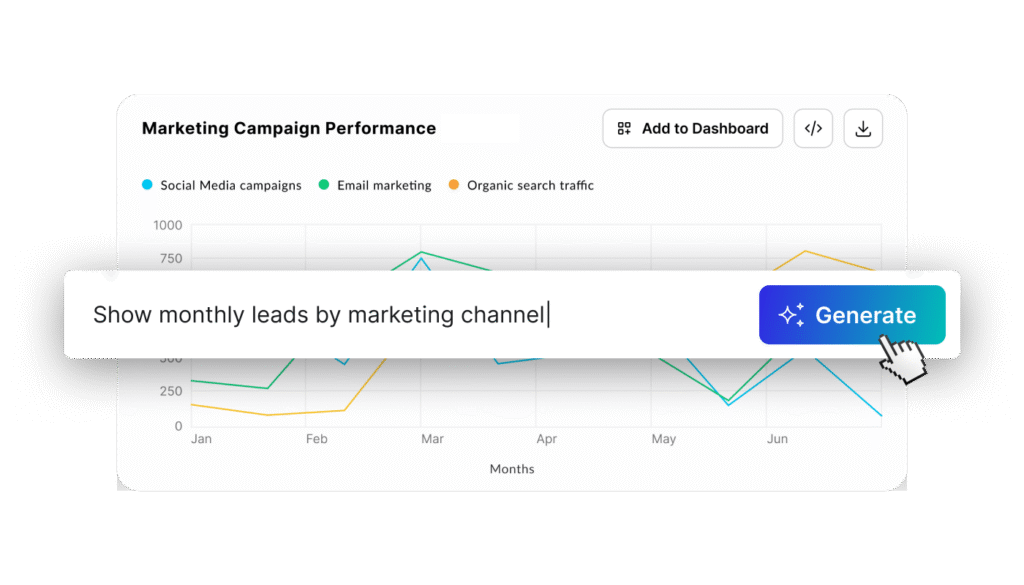
With Lumenn AI, users simply ask questions in plain English and receive instant, accurate visualizations. No SQL or coding knowledge is required, making complex data analysis simple and accessible for everyone in your organization.
2. Secure, Seamless Data Connectivity
Lumenn AI connects directly to major data sources like Snowflake, Redshift, BigQuery, PostgreSQL, and more — without moving or duplicating data. This ensures real-time access, enterprise-grade security, and zero disruption to your existing infrastructure.

3. AI-Powered Data Quality Checks
Built-in AI algorithms automatically detect nulls, anomalies, and duplicate records before analysis. Lumenn AI provides Data Quality scores and recommendations, ensuring every insight is based on clean, reliable, and trustworthy data.

4. AI Auto Analyst for Proactive Insights
Lumenn AI’s Auto Analyst continuously scans your data before you even ask and suggest possible queries. It transforms analytics from reactive reporting into proactive intelligence for faster, smarter decision-making.

5. Self-Service Dashboards
Users can easily build, customize, and share dashboards that auto-refresh with live data. With Lumenn AI’s intuitive, no-code interface, every team can monitor key metrics, collaborate securely, and make informed decisions instantly.

Conclusion
Traditional BI tools served their purpose in a slower, more structured world. But today’s enterprises need agility, speed, and intelligence that legacy systems can’t provide. The future belongs to platforms that empower teams to act instantly and intelligently on their data.