

Modern enterprises demand faster insights, greater agility, and analytics that empower every team—not just data specialists. As organizations evaluate business intelligence platforms, two approaches stand out: traditional dashboard-centric BI and AI-powered, no-code analytics.
In this comparison, we explore Lumenn AI vs Tableau to help you determine which platform aligns best with your enterprise analytics strategy in 2026 and beyond.
The Shift in Enterprise Analytics
Business intelligence has evolved. Traditional BI tools were built for analysts who could model data, write queries, and design dashboards. Today, enterprises require:
- Faster time to insight
- Natural language accessibility
- AI-powered automation
- Secure multi-source integration
- Self-service analytics for business users
The question is no longer just “Which tool builds better dashboards?” but rather “Which platform enables smarter, faster decision-making across the organization?”
Platform Overview
Lumenn AI
Lumenn AI is an AI-powered enterprise analytics platform designed to democratize data access. It enables users to connect to enterprise data sources, ask questions in natural language, generate visual insights instantly, and refine analytics without writing SQL.
It is built for business users, analysts, and data teams working together in a unified, no-code environment.
Tableau
Tableau is a widely adopted business intelligence platform known for its data visualization and dashboard-building capabilities. It is traditionally used by analysts and IT teams to create structured reports and dashboards.
While powerful, Tableau typically requires setup, data modeling, and technical expertise to extract full value.
Feature Comparison: Lumenn AI vs Tableau
| Feature | Lumenn AI | Tableau |
|---|---|---|
| No-Code Interface | Yes | Limited |
| Natural Language Querying | Advanced (Built-in) | Add-on |
| GenAI-Powered Analytics | Built-in | No |
| Self-Serve Insights for Business Users | Seamless | Requires setup |
| AI-Driven Data Quality Checks | Built-in | Add-on |
| Multi-Source Integration (APIs) | Plug & Play | Manual / Limited |
| Ideal Users | Business + Analysts + Data Teams | Analysts / IT |
| Time to Insight | Minutes | Hours / Days |
Let’s break down what this means for modern enterprises.
1. No-Code and Natural Language Experience
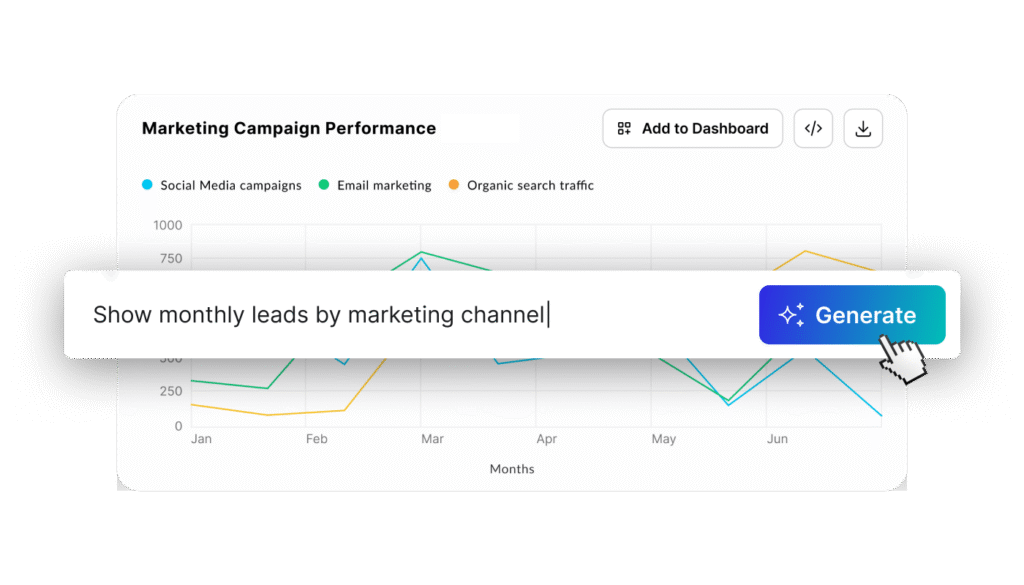
Lumenn AI is built as a no-code platform. Users can simply type:
- “Show churn rate by subscription tier.”
- “Which features are most used by enterprise customers?”
The platform automatically generates SQL, executes queries, and returns visualizations and explanations instantly.
Tableau, on the other hand, relies primarily on structured dashboard building. While it offers natural language capabilities through add-ons, it is not inherently designed as a natural language-first platform.
For enterprises looking to empower non-technical users, Lumenn AI offers a more seamless experience.
2. GenAI-Powered Analytics vs Dashboard-Centric BI
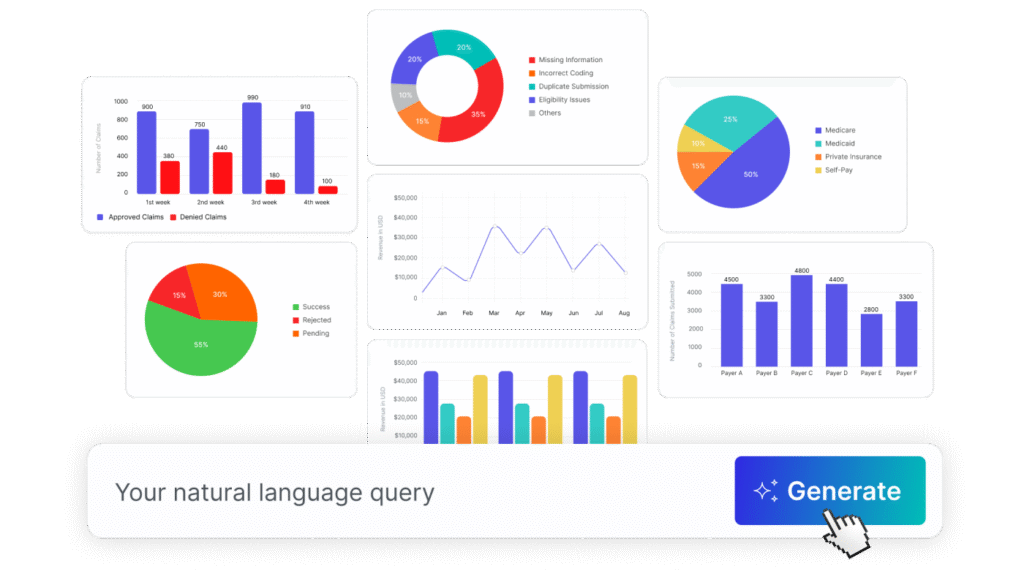
Lumenn AI integrates Generative AI directly into the analytics workflow. It can:
- Generate SQL automatically
- Provide textual summaries
- Suggest queries via AI Auto Analyst
- Enable SQL refinement using natural language
This shifts analytics from manual dashboard creation to intelligent, conversational exploration.
Tableau excels in visualization but does not natively provide built-in generative AI-driven query refinement or automated insights in the same way.
3. Self-Service for Business Teams
A key differentiator in the Lumenn AI vs Tableau discussion is accessibility.
Lumenn AI is designed for business leaders, product teams, finance teams, operations, and analysts alike. Users do not need SQL knowledge to:
- Explore data
- Modify insights
- Build dashboards
- Refine queries
Tableau typically requires setup, data modeling, and involvement from analysts or IT teams before business users can fully interact with dashboards.
For enterprises prioritizing democratized analytics, Lumenn AI reduces dependency on technical bottlenecks.

4. Built-In Data Quality and Trust
Modern enterprises cannot afford inaccurate insights.
Lumenn AI includes AI-driven Data Quality checks that evaluate:
- Completeness
- Uniqueness
- Accuracy
- Anomalies and outliers
These checks provide confidence before insights are shared across teams.
In Tableau, data quality validation is often handled externally or through additional tools and processes, increasing complexity.

5. Multi-Source Integration and Speed
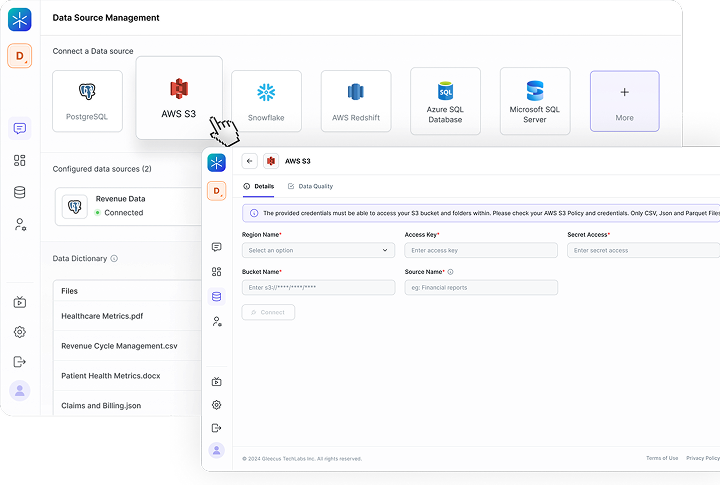
Lumenn AI connects securely to enterprise databases and cloud platforms with plug-and-play connectors. It performs in-place querying, meaning data remains within your environment.
Because of its natural language and AI-driven design, time to insight is significantly reduced—often minutes instead of hours or days.
Tableau can connect to many sources as well, but setup, modeling, and dashboard design typically require more manual effort.
6. Time to Insight: Minutes vs Hours
Perhaps the most critical factor in choosing between Lumenn AI vs Tableau is speed.
Lumenn AI enables:
- Instant query generation
- Rapid iteration
- Interactive refinement
- Real-time dashboard updates
Tableau often involves:
- Data preparation
- Dashboard building
- Manual configuration
- Analyst dependency
For modern enterprises that operate in fast-moving markets, faster insights translate directly into competitive advantage.
Which Tool Is Right for Modern Enterprises?
Choose Lumenn AI if your enterprise needs:
- AI-powered, no-code analytics
- Natural language querying
- Faster time to insight
- Business-user accessibility
- Built-in data quality validation
- Transparent and refinable SQL logic
Choose Tableau if your organization:
- Has dedicated BI analysts
- Focuses heavily on complex dashboard design
- Prefers traditional, structured reporting workflows
The Future of Enterprise Analytics
Modern enterprises are shifting from static dashboards to AI-driven, interactive analytics. The ability to ask questions, refine insights, and iterate quickly is becoming more important than manual dashboard configuration.
The debate around Lumenn AI vs Tableau ultimately reflects a broader industry shift: from analyst-dependent BI to AI-powered, self-service enterprise intelligence.
Organizations that prioritize speed, transparency, and democratized access to insights will benefit from platforms designed for the AI-first era.
Final Thoughts
Both Lumenn AI and Tableau are powerful tools—but they serve different analytics philosophies.
If your enterprise is ready to move beyond traditional dashboards and embrace AI-driven, natural language analytics, Lumenn AI offers a modern approach aligned with today’s business needs.