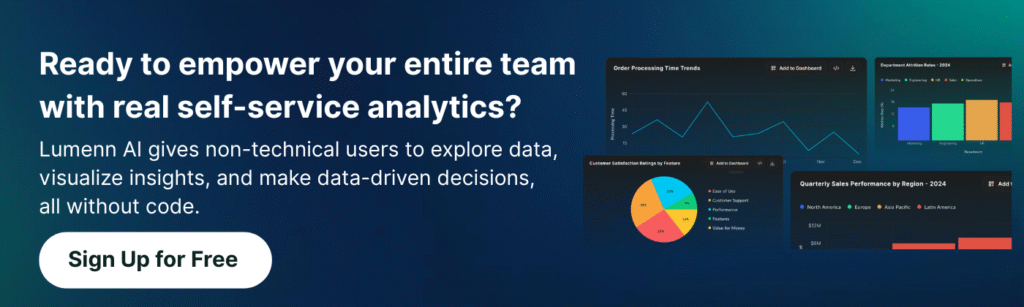

In many organizations, analytics has long been siloed within technical teams. But evolving business demands require that decision-makers across marketing, operations, finance, and HR access and act on data quickly. This is where self-service analytics transforms workflows. It empowers non-technical users to generate insights without coding skills or waiting on BI teams. Lumenn AI is built precisely for this, enabling business users to explore, visualize, and decide with confidence and speed.
What Self-service Analytics Really Means
Definition & Core Benefits
Self-service Analytics refers to tools and processes that allow users without deep technical skills to access, analyze, and visualize data independently. Key benefits include:
- Faster decision-making because insights are generated on demand
- Reduced dependency on data engineering or BI teams
- Broader participation across roles, fostering a more data-driven culture
- Cost savings by avoiding bottlenecks and lowering development delays
Breaking Down Barriers for Non-Technical Users
Non-technical users often face: unfamiliar interfaces, reliance on SQL or coding, delayed dashboards, and fear of misinterpreting data. With self-service analytics, those barriers are removed by offering intuitive query options, guided visualization tools, and built-in data validation. Non-technical users can engage directly with enterprise analytics, ask business questions, and receive visual answers without technical overhead.
Key Features That Empower Non-Technical Users
Natural Language Queries
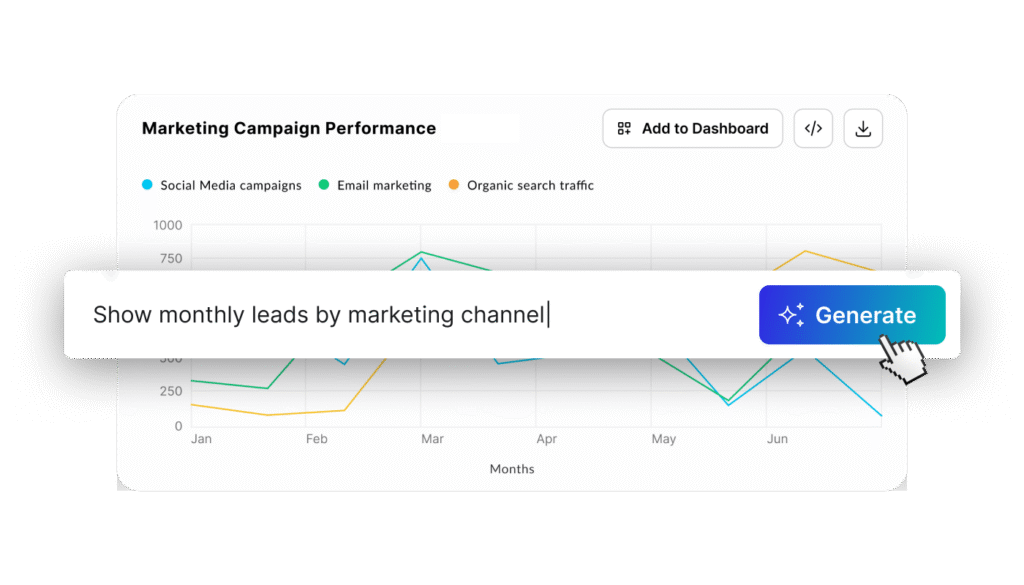
Instead of writing SQL, a user can type plain English questions like “Show quarterly sales by region” or “What are our top products this month.” Lumenn AI’s natural language interface understands these queries and returns charts, graphs, or tables immediately. This approach elevates self-service analytics from passive dashboards to interactive exploration.
Self-Service Dashboards
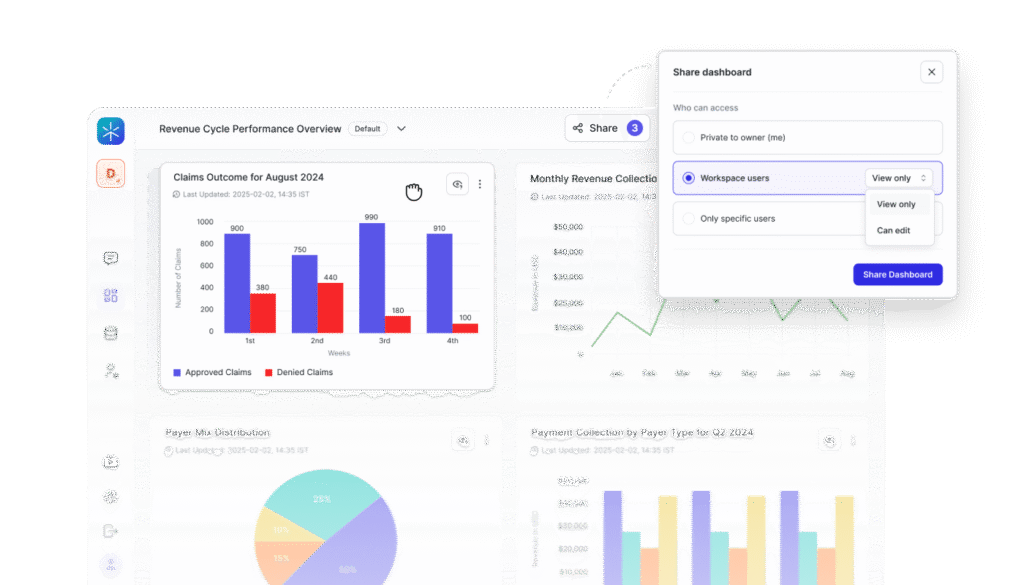
Self-service dashboards allow users to build, modify, and share their own data views. With automatic data refresh and live connection to underlying data sources, non-technical users can stay current. They can track KPIs relevant to their roles, such as customer growth, cost metrics, or inventory levels without going through a long development cycle.
Data Quality & Trust
For non-technical users to rely on data, trust is essential. Lumenn AI includes AI-powered data quality checks that flag outliers, missing values, duplicates, and schema mismatches. Highlighting these issues proactively ensures self-service analytics delivers reliable information—and reduces fear of incorrect conclusions.

Secure Multi-Source Integration
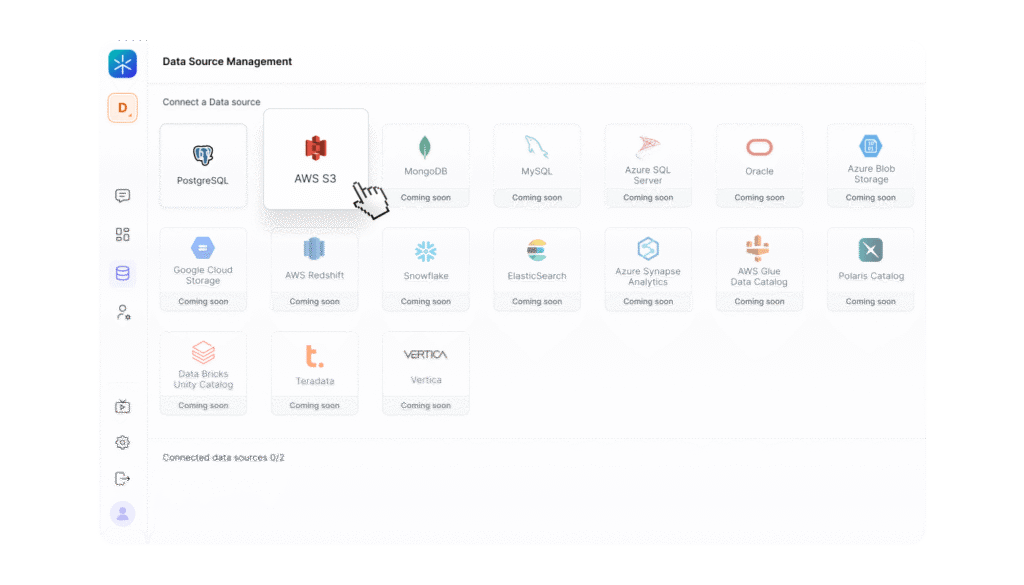
Modern self-service analytics tools must connect to multiple data platforms transparently. Lumenn AI supports integration with Snowflake, Redshift, PostgreSQL, BigQuery, and others. Users can combine data from multiple sources into unified dashboards, enabling holistic enterprise analytics without moving data or risking security.
Real Organizational Impact
Use Cases Across Roles
- Marketing Teams can explore campaign results independently, generate reports for ROI, and pivot strategies rapidly.
- Operations Managers can monitor supply chain metrics or production KPIs in real time.
- Finance Leads can review revenue and expense trends without waiting on monthly reports.
- HR and Customer Success teams can track engagement, retention, or satisfaction metrics on demand.
Cultural & Strategic Benefits
When non-technical users are empowered, organizations gain:
- Agility, because decisions are based on current data, not stale reports
- Ownership, as teams own their metrics and outcomes
- Innovation, as more users experiment with data and uncover insights
- Alignment, with everyone seeing the same truths in dashboards rather than conflicting reports
Why Lumenn AI is Built for Self-service Analytics
Lumenn AI is an Enterprise Analytics platform designed to make self-service analytics accessible for non-technical users. Key advantages include:
- Natural language queries that remove SQL dependency
- Self-service dashboards that auto-refresh with live data
- AI-powered data quality checks for reliable insights
- Secure integration with multiple data sources
- Enterprise-grade security and governance for compliant use
Lumenn AI allows non-technical employees to move from asking “when will the new report be ready?” to asking “why did sales drop this week?” and receiving insights immediately.
Future Direction
The evolution of self-service analytics will continue with more automation: guided suggestions, trend alerts, embedding analytics inside operational workflows. As tools become smarter, the expectation will shift from simply visualizing data to proactively surfacing insights. Organizations that invest in self-service analytics now will gain a competitive edge.